
To understand the philosophical matters described in ancient inscriptions from Eelam
To understand the philosophical matters described in ancient inscriptions from Eelam
To understand the philosophical matters described in ancient inscriptions from Eelam, it is sufficient to examine and analyse the historical background of a great ascetic sage named Sumana. What this reveals is that, through the inscriptions associated with this Sumana, the principle that one grain of rice is enough to judge a whole pot of rice applies: they speak specifically about Bhutavada. Let us examine this in some detail.
Pada Savabhutiya Parumaka Sumana theraha Savadattaha leṇe (Mulagama/Labukkala)
Parumaka Sumana puta Tisaha leṇe
Parumaka Sumana puta Somadattaha leṇe
Jotitheraha Mahasutasane Upasaka Tisaya theraha Naga leṇe
Parumaka Sumana putaha Chuta Sumanahe pada Tisakuttaha leṇe
Jotisana therasa Ativasika puta Sumana Datta therasa leṇe (Weheragala) Parumaka Ganadatta Jaya Upasikaya leṇe, Pada Sumana Bhutiya leṇe Parumaka Ganadatta putana (Bhutan) leṇe Asiya Mittiya Pada Sumana Manapasadane nama sagasa dine Ganiyuta Kamihi Sumana Palaya Upasika Tisaya leṇe sagasa
Kamihi Vasa putanu (Bhutans), Kamihi Tisapusa, Kamihi Abaha Sirikutta theraha
(Mihintale)
Parumaka Kutta puta Parumaka Parumaka Sumanahe leṇe (The same Sumana Bhutan mentioned above.) Itaskita theraha Sativisariya Sumana Kuttasa jita Kanaka rakiya Upasika Tisaya leṇe (Observe that the names Datta and Kutta given above refer to these Bhutavada adherents.)
Upasika Tisaya leṇe
Tisa Samaniya leṇe
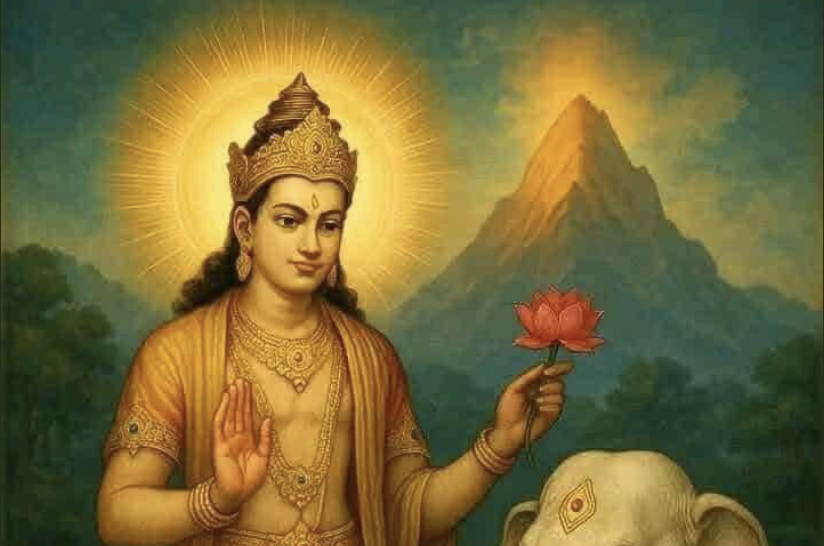
(The name of this same Sumana Kutta’s daughter was also Tisa. This indicates that she was initially an Upasika and subsequently embraced the ascetic life of a Samana, a Bhutavada adherent.) Therefore, this is an image of the deity known as Sumana Samana, called Sumana Bhuti.
Translation by Hari
0 Comments