
Eelam

he History of Eelam from the 6th Century BCE to 1948 CE
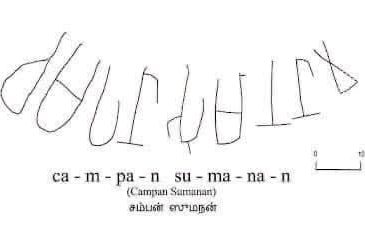
he History of Eelam from the 6th Century BCE to 1948 CE (Sinna Kayapar, also known as Sumana, is referred […]...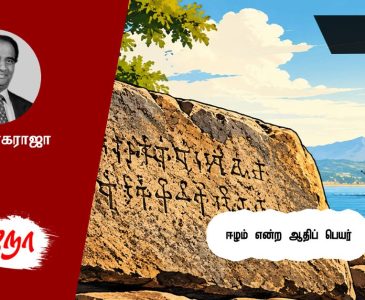
Eelam: The Ancient Original Name
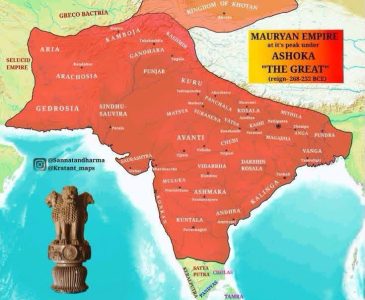
Eelam: The Ancient Original Name By Dr. Siva Thiagarajah Introduction Among some scholars and academics, a mistaken belief persists that the term “Eelam” was created by the separatist movement that emerged on the island during the twentieth century. This research article presents inscriptional, pottery-inscription and literary evidence demonstrating that Eelam has been used as an indigenous Tamil name for the island for more than 2,200 years. 1. The Ancient Names of the Island The three earliest names used to refer to the island are: Lanka — mentioned in the Ramayana. Tamraparni — recorded in Emperor Ashoka’s inscriptions. Eelam — recorded in the Thiruparankundram inscription. All three names were in use before the Common Era. The origin of the name Lanka Among these three names, Lanka is considered the oldest. In the Munda languages, the word Lanka means an island surrounded by water. These languages belong to the Austroasiatic language family, which developed from ancient Austric languages spoken by early Homo sapiens populations across South Asia, Southeast Asia and Australia. Approximately 7,000 years ago, at the end of the Ice Age, when the island became separated from India, the name Lanka may have been given by Austroasiatic-speaking people who were among the ancestors of some of the island’s Vedda communities. The author argues that the name Lanka has no origin in either the Dravidian or Indo-Aryan languages. Therefore, describing Lanka as originally a Tamil, Sinhala, Sanskrit or Pali name would, according to this interpretation, be speculative. Numerous words from the Munda languages are found in Dravidian languages and Sanskrit. Valmiki, the author of the Ramayana, adopted the island’s Munda name, Lanka, in his epic. […]...
Eelam’s Ancient Connection with the Indian Subcontinent and Early Tamil Heritage
Eelam’s Ancient Connection with the Indian Subcontinent and Early Tamil Heritage During the past one million years, Eelam was connected with the […]...
What the Eelam Inscriptions Say They Point to Ājīvika Tradition
What the Eelam Inscriptions Say: They Point to Ājīvika Tradition The inscriptional evidence found on the island of Eelam, dating […]...
The Tamil Population of Sri Lanka, Ethnic Groups
The Tamil Population of Sri Lanka, Ethnic Groups, Religions, and Administrative Divisions The Sri Lankan Tamils living in the Jaffna region are […]...
Historical Background of Sri Lanka
Historical Background of Sri Lanka Ancient Tamil Country Ancient Tamilakam was traditionally divided into two regions: Senthamizh Nadu (the land where refined […]...
The Poothathamby Arch, Known as Sangili Toppu in Jaffna
The Poothathamby Arch, Known as Sangili Toppu in Jaffna The Poothathamby Arch, popularly known as Sangili Toppu, is one of the historical […]...
Naga Kings and Their Symbolic Meaning
Naga Kings and Their Symbolic Meaning As previously discussed, Sivanolipatha Malai (Sri Pada/Adam’s Peak) is interpreted as an ancient Ayyanar shrine of the Pandyan […]...